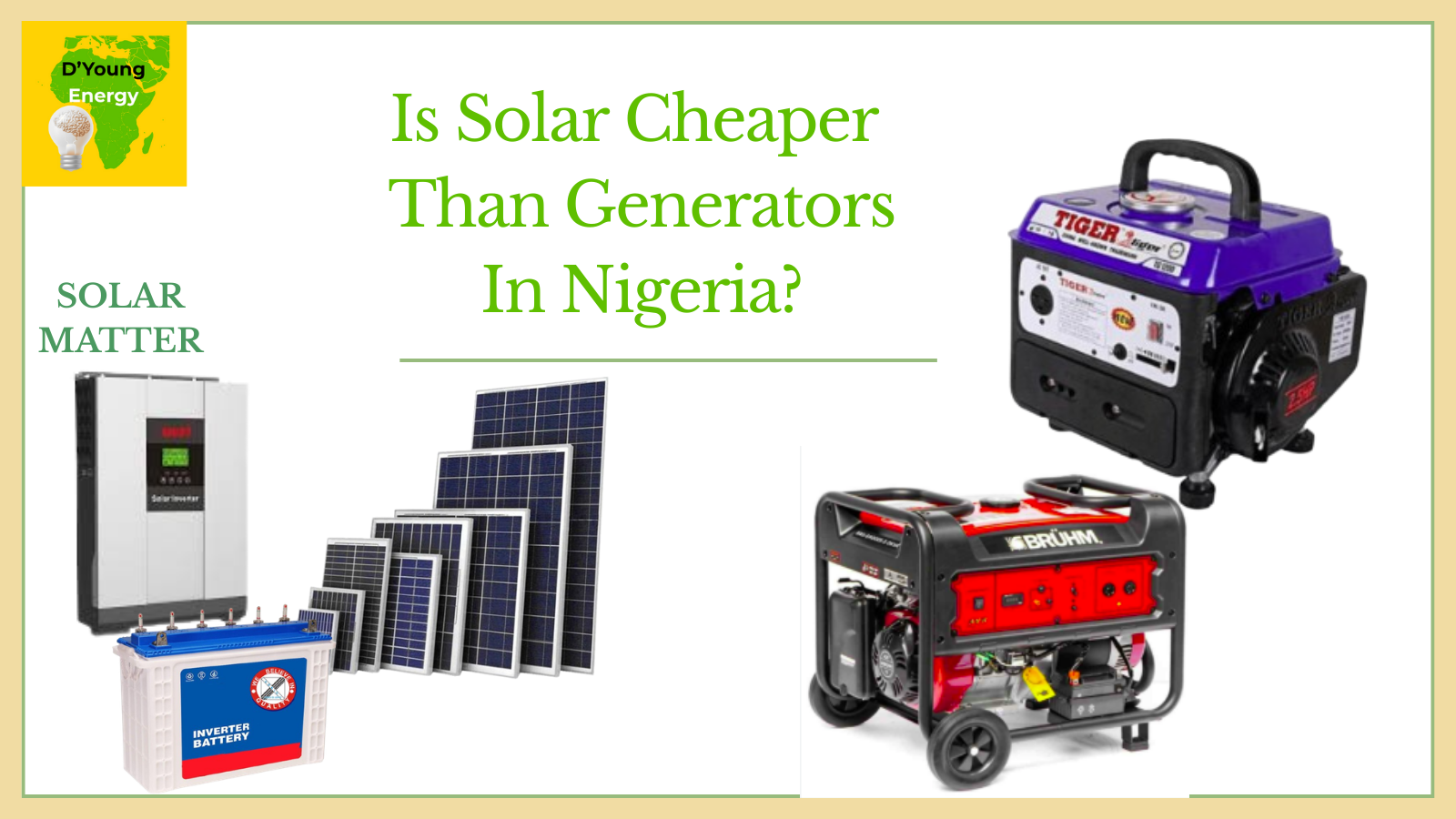
Is Solar Cheaper Than Generators in Nigeria? A Detailed Cost Comparison for Homes and SMEs (2026 Guide)
One of the most common questions Nigerians ask today is this: Is solar really cheaper than generators in Nigeria?
With petrol prices fluctuating and power supply from the national grid remaining unreliable, many households and small businesses are searching for a more stable energy solution. However, the conversation often begins and ends with the upfront installation cost.
Generators appear cheaper at first glance. A standard 3.5kVA or 5kVA generator may cost between ₦500,000 and ₦1,500,000, while a properly designed 5kVA solar power system in Nigeria may range from ₦2,500,000 to ₦5,000,000 or more, depending on battery type and load requirements.
Because of this price difference, many people conclude that solar is too expensive. But the real question is not about initial purchase price. The real question is about total cost over time.
This article provides a clear and honest breakdown of generator fuel costs in Nigeria, maintenance expenses, repair cycles, and long-term energy stability compared to solar power systems.
The Real Cost of Running a Generator in Nigeria
To understand whether solar is cheaper than a generator, we must first calculate the actual cost of running a generator in Nigeria.
As of early 2026, petrol prices range between ₦930 and ₦1,000 per litre, depending on location. A 3.5kVA petrol generator running for approximately six hours per day can consume fuel worth ₦250,000 to ₦300,000 per month. Even lighter usage of four hours daily can still cost between ₦60,000 and ₦150,000 monthly.
For small and medium-sized enterprises operating larger diesel generators, monthly fuel expenses can exceed ₦500,000 and, in some cases, approach ₦1,000,000 depending on operating hours and load demand.
When these figures are projected annually, the numbers become significant. A household spending ₦250,000 monthly on fuel will spend approximately ₦3,000,000 in one year and ₦6,000,000 in just two years. This amount does not include maintenance, servicing, or part replacement.
Unlike fuel expenses, which are recurring and inflation-sensitive, solar energy uses sunlight, which is free and abundant across Nigeria. Once installed, a solar system eliminates daily fuel costs entirely.
Generator Maintenance and Servicing Costs
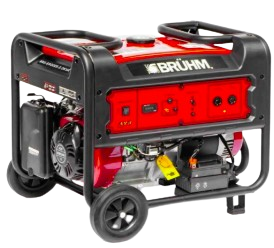
Generators are mechanical systems that require regular maintenance to function properly. Routine servicing is typically required every 50 to 100 operating hours and includes oil changes, air filter replacement, spark plug servicing, and general mechanical inspection.
Failure to perform regular maintenance can lead to rapid wear, increased fuel consumption, and unexpected breakdowns. Over time, these maintenance costs accumulate and add to the true operational cost of generator ownership.
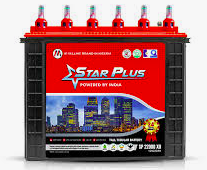
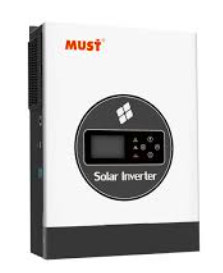
In contrast, solar power systems in Nigeria require minimal routine maintenance. Solar panels have a lifespan of approximately 25 years, inverters typically last between 10 and 15 years, and high-quality lithium batteries can last between 8 and 12 years. Maintenance mainly involves occasional panel cleaning and periodic system checks.
The difference in operational burden between generators and solar systems is substantial. One requires continuous mechanical attention, while the other operates quietly and automatically with minimal intervention.
Generator Repairs, Replacements, and Asset Depreciation
Another overlooked factor when comparing solar vs generator in Nigeria is the cost of repairs and replacements.
Generators often require engine overhauls every three to seven years, costing between ₦200,000 and ₦800,000 depending on the brand and usage intensity. Most generators also require full replacement within eight to ten years, especially under heavy use.
Solar systems also have replacement components, primarily batteries, but these replacements are predictable and scheduled. A properly designed solar system allows users to plan for battery replacement after several years of stable performance.
Generators depreciate rapidly and become liabilities once obsolete. Solar systems, however, increase property value and are considered long-term energy infrastructure investments.
Long-Term Energy Stability and Protection Against Inflation
One of the strongest arguments for solar power in Nigeria is energy stability.
Nigeria reportedly spends an estimated $10 billion annually on generator fuel and maintenance. This figure highlights how deeply households and businesses depend on petrol and diesel generators due to unreliable grid electricity.
However, generators are directly tied to fuel price volatility. Any increase in petrol or diesel prices immediately increases operational costs. Currency fluctuations and inflation further compound the problem.
Solar power systems provide a hedge against inflation. After installation, the cost of electricity becomes largely fixed. The levelized cost of electricity (LCOE) from solar is significantly lower than diesel or petrol generators, often ranging between ₦15 and ₦50 per kWh, compared to ₦100 to ₦250 per kWh for generator-generated electricity.
For Nigerian SMEs, this predictability can protect profit margins, reduce operational risk, and improve long-term financial planning.
Non-Financial Benefits of Solar Power for Nigerian Homes and Businesses
Beyond financial comparison, solar energy offers operational and environmental advantages.
Generators produce significant noise pollution, emit harmful fumes, and contribute to air quality issues, particularly in densely populated urban areas. The environmental and health implications of generator dependence are increasingly concerning.
Solar systems operate silently, produce no emissions during operation, and deliver clean, stable electricity that protects sensitive electronics from voltage fluctuations.
For families, solar offers improved quality of life through quiet operation and freedom from fuel queues. For businesses, solar reduces downtime, improves equipment longevity, and enhances brand reputation as a sustainable enterprise.
So, Is Solar Cheaper Than Generators in Nigeria?
If the comparison is limited to initial purchase price, generators appear cheaper.
However, when total cost of ownership is evaluated over five to ten years, solar power systems in Nigeria are significantly more economical. Most well-designed solar systems achieve break-even within two to four years through fuel savings alone.
After that point, the savings become substantial and ongoing.
Solar requires higher upfront capital, but it eliminates continuous fuel expenses, reduces maintenance burden, protects against inflation, and delivers long-term energy stability.
The real issue is not whether solar is expensive. The real issue is whether Nigerians are calculating the full cost of generator ownership correctly.
Final Thoughts on Solar vs Generator in Nigeria
For Nigerian households and SMEs seeking 24-hour power supply, reduced operating costs, and long-term financial control, solar power offers a compelling alternative to generator dependence.
The conversation should move beyond initial price and focus on lifetime value.
Energy decisions are not just about today’s affordability. They are about tomorrow’s sustainability, predictability, and stability.
On Solar Matter, we will continue to explore these issues in depth so that Nigerians can make informed and financially sound energy decisions.
Schedule time with Victoria Edeha-Anthony to explore how we can work together to design a solar system for your home and business, and save energy costs. Call: +2347037179294.