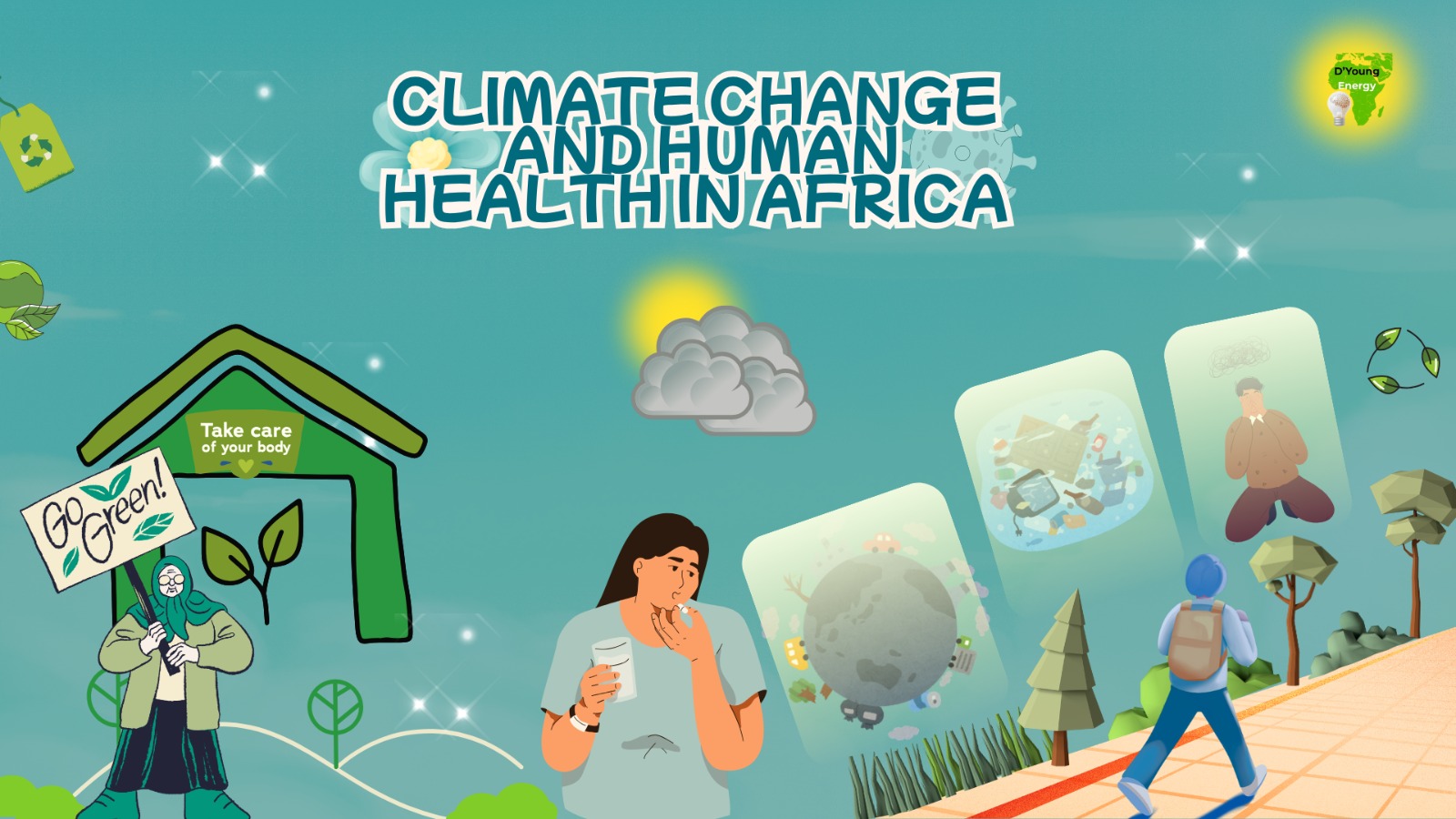
Climate change is one of the biggest challenges in the world today, and it affects not just the environment but also our health. In Africa, millions of people are already feeling the effects of climate change. But what exactly is it, and how does climate change affects human health in Africa?
What Is Climate Change?
Climate change is a long-term change in the Earth’s weather patterns. It happens when certain gases, like carbon dioxide and methane, trap heat in the atmosphere. These greenhouse gases mostly come from human activities. When too many greenhouse gases are in the air, the Earth gets hotter. This is called global warming, and it causes unusual weather events like floods, droughts, heatwaves, and strong storms. Africa, which is where Nigeria is found is very sensitive to these changes because many people depend on farming, fishing, and natural water sources to survive.
Why Climate Change Matters for Our Health
Most people think of climate change as just bad weather. But it is more than that, it can make people sick. The health problems caused by climate change come in different ways.
- Heat-Related Illnesses
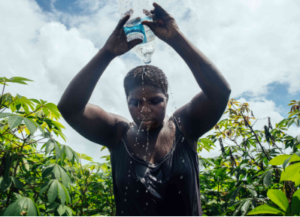
As the Earth gets hotter, many African countries experience extremely high temperatures. This can cause health problems such as
- Heat exhaustion: When the body gets too hot and tired.
- Heatstroke: A very dangerous condition where the body cannot cool down.
- Dehydration: Losing too much water from the body because of sweating.
Children, the elderly, and people who work outdoors, like farmers and construction workers, are most at risk. For instance, in countries like Nigeria, Ghana, and Kenya, heatwaves are becoming more common, and more people are being treated in hospitals for heat-related illnesses.
- Diseases Spread by Mosquitoes and Other Insects
Climate change creates perfect conditions for some insects to spread diseases.
- When there is too much rain, puddles form, and mosquitoes breed quickly.
This increasing diseases like Malaria, Dengue fever, Yellow fever etc. Malaria is a big problem in many parts of Africa. Climate change is making the rainy season unpredictable, so mosquitoes are active for longer periods, putting more people at risk.
- Food Shortages and Malnutrition
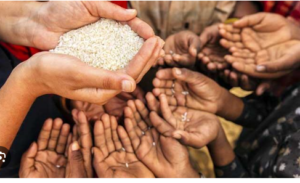
Climate change causes droughts (long periods without rain) and floods. Both of these harm farms and crops. During a drought, crops dry up, and there isn’t enough food. During a flood, crops rot or get washed away. This leads to hunger and malnutrition, especially in children. Without enough healthy food, children may become weak and tired easily, get sick often because their bodies can’t fight infections. have stunted growth. Countries like Ethiopia, Somalia, and South Sudan have experienced severe food crises linked to climate-related droughts.
- Dirty Water and Diarrheal Diseases
When floods happen, they often mix dirty water with clean water sources. This can spread harmful germs and diseases such as Cholera, Diarrhoea, Typhoid fever. These diseases can spread very quickly, especially in places where people do not have safe toilets or clean drinking water. Children are most at risk because their bodies are smaller and weaker.
In the past. after heavy floods in Mozambique and Malawi, cholera outbreaks often follow.
- Air Pollution and Breathing Problems
Climate change is linked to air pollution. When there are wildfires, dust storms, or too many cars and factories releasing smoke, the air becomes unsafe to breathe. Breathing dirty air can cause Asthma attacks, Coughing and chest pain, Lung infections
In African cities like Lagos, Cairo, and Johannesburg, air pollution is becoming worse, affecting millions of children and adults.
- Mental Health Problems
Climate change doesn’t just affect our physical health. It can also affect our emotions and feelings. Losing your home in a flood or not having enough food to eat. This can make people feel stressed, anxious sad or hopeless. In some communities, children may even stop going to school because of climate disasters, which affects their future.
In 2022, Nigeria experienced severe flooding that affected over 30 states. Thousands of people lost their homes, farms, and belongings. The floods also caused Outbreaks of cholera and other waterborne diseases. There were increased cases of malaria because of standing water. hunger, as farmlands were destroyed. This shows how one climate event can create many health problems at once.
In conclusion,
Climate change is more than just unusual weather, it is a serious health challenge for millions of people in Africa. It can cause heat-related illnesses, spread dangerous diseases, leading to hunger, and even affect mental health. But there is hope. By planting trees, keeping our environment clean, saving energy, and working together, we can protect both our planet and our health. Remember: caring for the Earth is caring for ourselves. Each of us has a role to play in creating a safe, healthy future for Africa and the world.